Top Signs Your Mobile Home Needs Sewer Line Repair or Replacement
Maintaining the plumbing system in a mobile home is often overlooked, yet it is a critical component of overall home health. One of the most significant issues that mobile homeowners face is problems with the sewer line. Unlike conventional homes, mobile homes often have unique plumbing layouts and materials, which can make sewer lines more susceptible to damage, blockages, and wear over time. Detecting issues early is essential to prevent costly repairs, avoid health hazards, and maintain the value of your property.
Sewer line problems can begin subtly, with minor signs that are easy to dismiss, such as slow drains or foul odors. However, these small issues often escalate into serious damage if left unaddressed. Understanding the signs of sewer line failure and knowing when to seek professional assistance can save mobile homeowners significant stress and expense. This article explores the top indicators that your mobile home may need sewer line repair or replacement. By paying attention to these warning signs and acting promptly, homeowners can protect their investment, maintain a safe living environment, and ensure their plumbing system operates efficiently for years to come.
1. Slow Drains and Frequent Clogs
Symptoms to Watch For
One of the earliest signs of a failing sewer line is slow-draining sinks, showers, and tubs. If water is pooling or draining sluggishly across multiple fixtures simultaneously, it may indicate a significant blockage in the main sewer line rather than a localized clog in individual pipes. Such drainage problems often worsen gradually, becoming more noticeable over time.
Common Causes
Tree root intrusion is a frequent culprit in mobile home sewer lines, especially if the home is situated near large, mature trees. Roots can penetrate small cracks in pipes, gradually restricting water flow and creating recurring issues. Grease buildup from cooking or improper disposal of fats, oils, and other household waste can also accumulate over time, leading to significant blockages that affect the entire system.
Best Practices for Prevention
Regular maintenance is key to preventing severe clogs and more extensive plumbing problems. Homeowners should avoid pouring grease, coffee grounds, and large food particles down drains, as these materials often combine to form stubborn blockages. Periodic professional inspections using video camera assessments can detect early signs of obstruction before they escalate into serious plumbing emergencies.
Real-World Scenario
Consider a mobile home where the kitchen and bathroom drains simultaneously slow down and create noticeable pooling. Ignoring the issue for a few weeks can lead to a full sewer backup, potentially damaging flooring, furniture, and creating unsanitary living conditions. Early intervention by a qualified plumber can prevent these costly outcomes effectively.
2. Unpleasant Odors from Drains or Yard
Recognizing Sewer Gas Smells
Persistent foul odors emanating from drains, toilets, or even the yard can signal a serious problem with the sewer line. These smells are often caused by escaping sewer gases from cracks or breaks in the pipes, indicating the need for immediate inspection and repair.
Health Implications
Exposure to sewer gases, including methane and hydrogen sulfide, can cause headaches, nausea, dizziness, and respiratory irritation. Prolonged exposure in enclosed spaces can be extremely dangerous, making prompt attention and professional intervention critical for homeowner safety.
Examples of Contributing Factors
Mobile homes may experience shifting or settling of the foundation, which can place additional strain on sewer pipes and create leaks. Additionally, corroded or aging pipe materials, such as cast iron or older PVC, are more prone to developing cracks that release gas and cause potential property damage over time.
Actionable Advice
If odors are persistent or worsening, a professional plumber can perform a sewer camera inspection and pressure test to accurately pinpoint the source of leaks. Early detection and timely repair can prevent both extensive property damage and long-term health risks effectively.
3. Gurgling Noises in Plumbing Fixtures
Understanding the Sounds
Gurgling, bubbling, or unusual noises in sinks, toilets, or showers often indicate that sewer gases or water are trapped in the system due to blockages. This can be a precursor to more severe backups or sudden pipe failures, which require immediate attention.
Mechanism Behind the Problem
When a sewer line is partially obstructed, air cannot escape properly through the venting system, creating a vacuum that causes water to bubble or gurgle in drains. Over time, this pressure imbalance can worsen, increasing the likelihood of a complete pipe blockage, rupture, or other major plumbing emergencies.
Practical Examples
A homeowner may notice that running the washing machine causes a toilet in a distant bathroom to gurgle unexpectedly. This is a clear sign that the main sewer line is compromised and requires immediate attention to prevent extensive water damage, unpleasant odors, and potential health hazards.
Preventative Measures
Routine inspection and maintenance of vents, cleanouts, and sewer lines can identify potential air flow issues and prevent larger problems. Professional hydro jetting is often used to clear stubborn blockages and restore proper drainage flow efficiently and safely.
4. Sewage Backup in Toilets, Sinks, or Yard
Visible and Severe Indications
One of the most unmistakable signs that a sewer line needs repair or replacement is sewage backup. This may occur inside the home in toilets, tubs, or sinks, or outside in the yard near the sewer cleanout, creating both visible and hazardous conditions.
Common Causes
Major blockages, broken pipes, or collapsed sections of the sewer line can prevent wastewater from flowing properly, forcing it to back up into the home. Older mobile homes are particularly vulnerable due to aging infrastructure, frequent use of small-diameter pipes, and soil movement around the foundation.
Challenges and Risks
Sewage backup is a serious issue, presenting immediate health risks from bacteria, viruses, and other pathogens. It also creates costly cleanup challenges, requiring professional remediation to prevent mold growth, structural damage, and long-term contamination problems.
Best Practices for Homeowners
Installing a backwater valve can prevent future backups, while regular maintenance and timely repairs ensure the sewer system functions correctly. Immediate action is essential at the first sign of backup to minimize both health risks and potential property damage efficiently.
Real-Life Scenario
Imagine a mobile home where a toilet begins to overflow during a heavy rainstorm, spreading contaminated water across the bathroom floor and entering adjacent rooms. Such a scenario highlights the importance of rapid intervention, expert guidance, and professional expertise in sewer line management to avoid costly consequences.
5. Foundation or Yard Issues
Impact on Property
Sewer line problems can extend beyond the plumbing system, affecting the foundation, landscaping, and yard areas. Uneven or sinking areas, soggy soil, or depressions in the lawn can indicate a broken or leaking sewer pipe underground, threatening the home’s stability.
How Damage Occurs
Water leaking from damaged pipes can erode the soil, destabilizing the foundation or creating sinkholes. Over time, this can compromise the structural integrity of the mobile home and require extensive foundation repairs or other costly mitigation efforts.
Detecting Early Warning Signs
Homeowners should watch for patches of unusually lush grass (caused by excess water from leaks), wet spots in dry weather, or areas where the ground appears to settle. Observing such signs early should prompt immediate sewer line inspection and professional evaluation.
Professional Approach
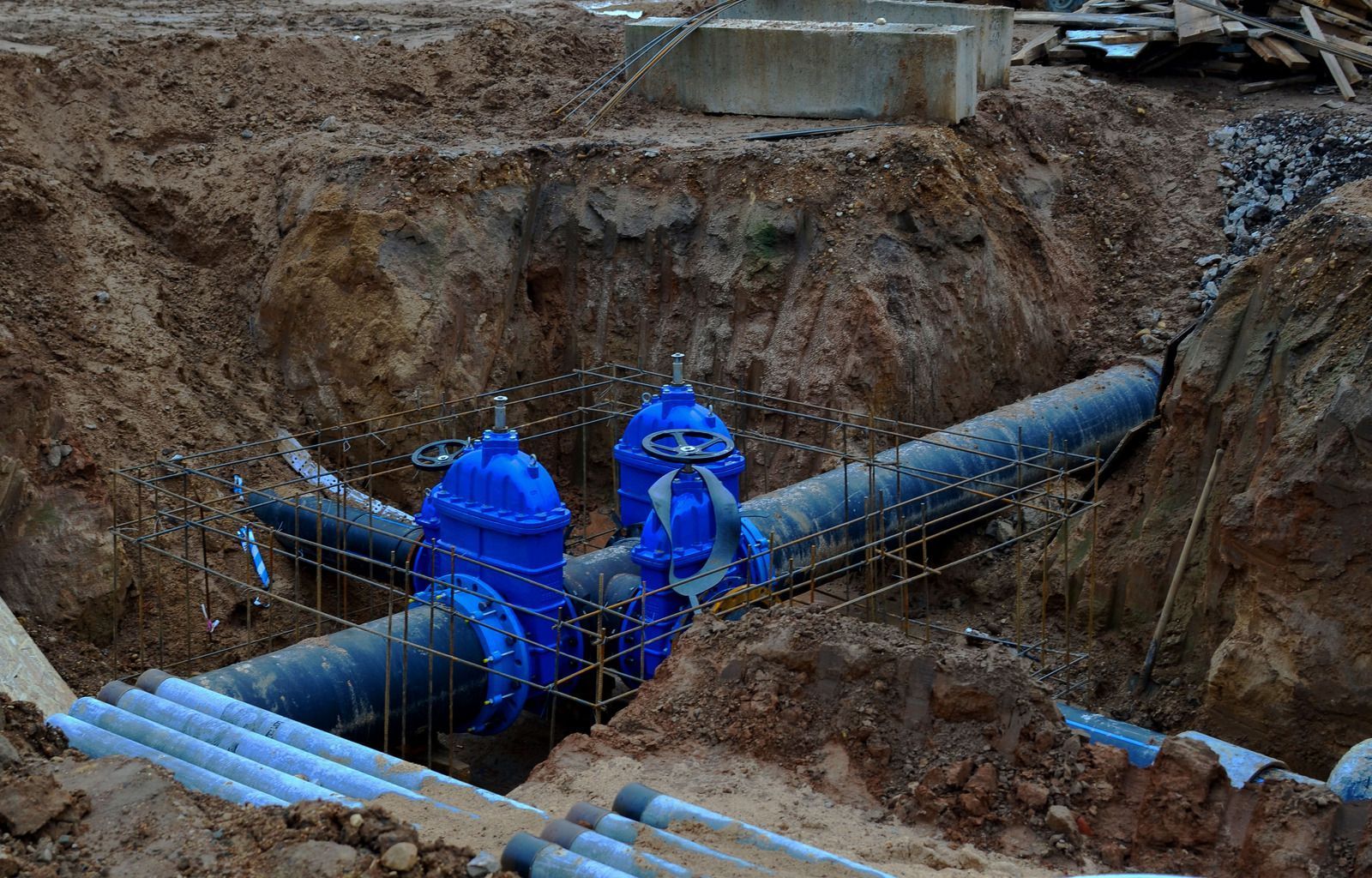
Using trenchless technology, modern plumbers can repair underground pipes with minimal disruption to the yard, landscaping, or foundation. Early detection allows for targeted repair, reduces costs, and preserves property aesthetics while ensuring plumbing reliability.
6. Aging Pipes and Frequent Repairs
Identifying Risk Factors
Mobile homes with older plumbing systems, often 20–30 years old, are at higher risk of sewer line failure. Frequent minor repairs, such as fixing leaks or unclogging drains, can signal that the system is nearing the end of its functional life and may soon require full replacement.
Materials and Longevity
Older homes may have cast iron, clay, or outdated PVC pipes, which are prone to corrosion, cracking, or joint separation over time. These issues accumulate gradually, reducing efficiency and increasing the likelihood of major failures that can disrupt daily life.
Maintenance Considerations
Regular inspections, including video camera assessments, allow professionals to evaluate pipe condition and recommend replacement when necessary. Proactive replacement of aging sewer lines is often more cost-effective than repeated repairs, minimizing long-term stress and expenses.
Expert Insight
Plumbers often advise homeowners to replace older pipes with modern, durable materials such as schedule 40 PVC or SDR-35 plastic. These materials resist corrosion, root intrusion, and shifting soil pressures, providing reliable, long-term plumbing performance for mobile homes.
Reliable Mobile Home Sewer Repairs With Professional Care
Recognizing the signs of sewer line issues in a mobile home is crucial for maintaining a safe and functional living environment. From slow drains and gurgling noises to unpleasant odors, sewage backups, and foundation issues, each indicator signals the need for prompt inspection and professional repair. Proactive maintenance, regular inspections, and early intervention are essential strategies to prevent costly damage, protect health, and ensure efficient plumbing performance.
Rescue Sewer And Drain has over a decade of experience providing expert sewer line repair and replacement services in Shakopee and Fridley, Minnesota. Our team combines industry knowledge with advanced technology to accurately diagnose and resolve sewer line issues in mobile homes. We prioritize thorough inspections, timely interventions, and minimally invasive solutions, ensuring our clients’ homes remain safe, functional, and protected. Whether addressing minor blockages or full-scale pipe replacements, Rescue Sewer And Drain offers reliable, professional service that homeowners can trust. Our commitment to quality, integrity, and customer satisfaction has made us a trusted name in sewer line care.