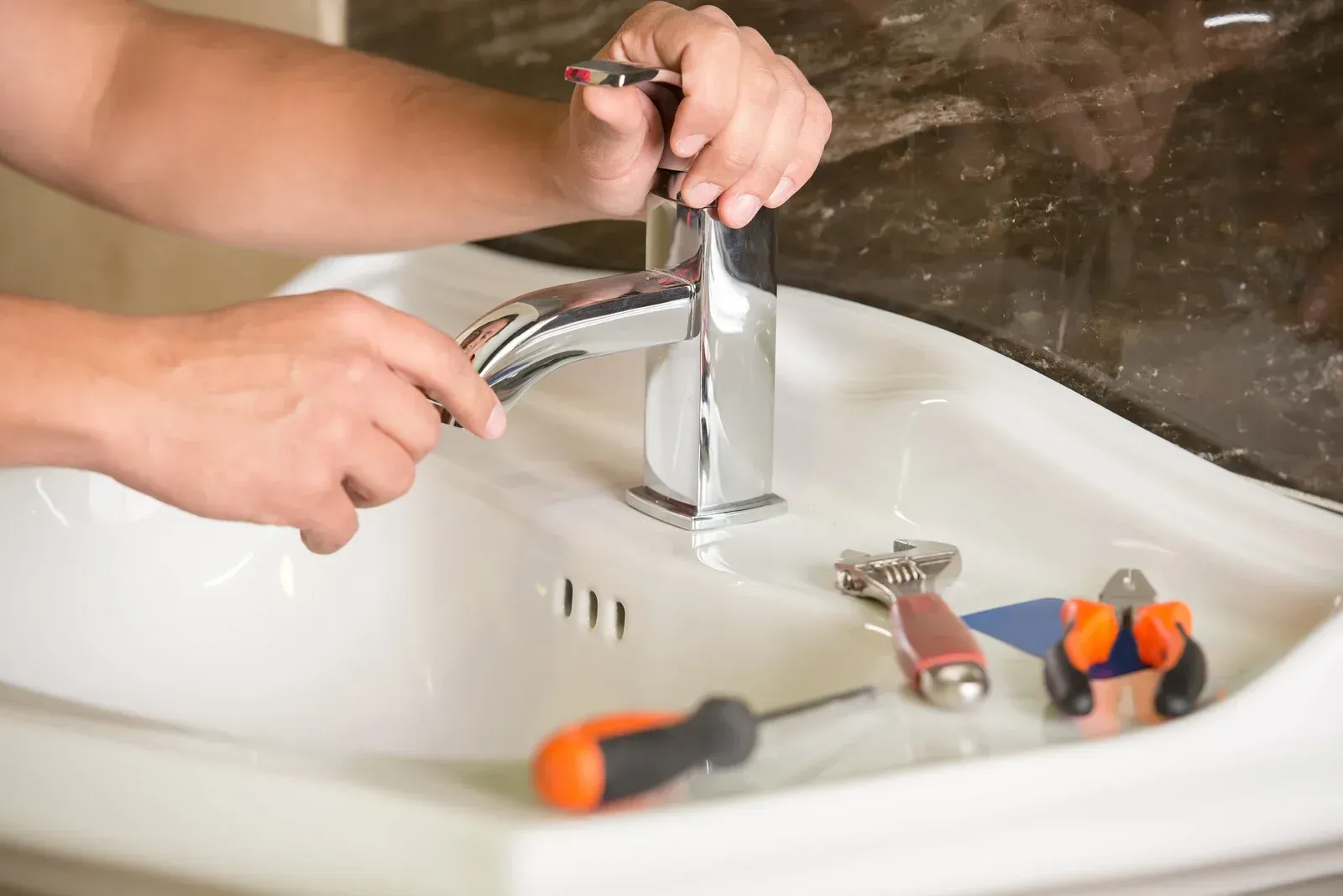
Water pressure is an essential component of any home, affecting daily activities like showering, washing dishes, and running appliances.
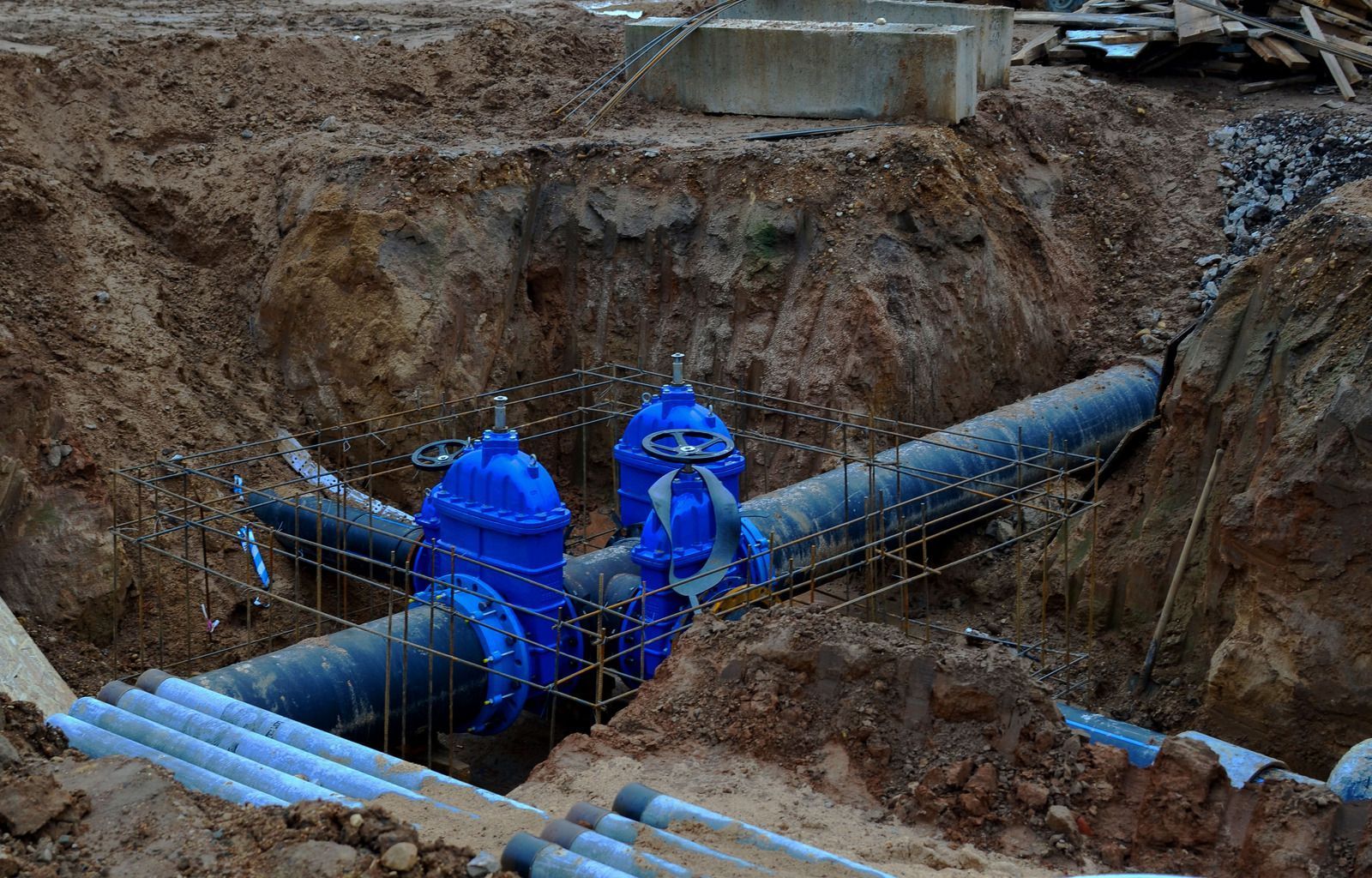
Mobile homes offer flexibility, affordability, and a cozy living environment, but they come with unique infrastructure challenges, especially when it comes to plumbing. Sewer and drain systems in mobile homes are often more compact and prone to blockages than those in traditional houses.
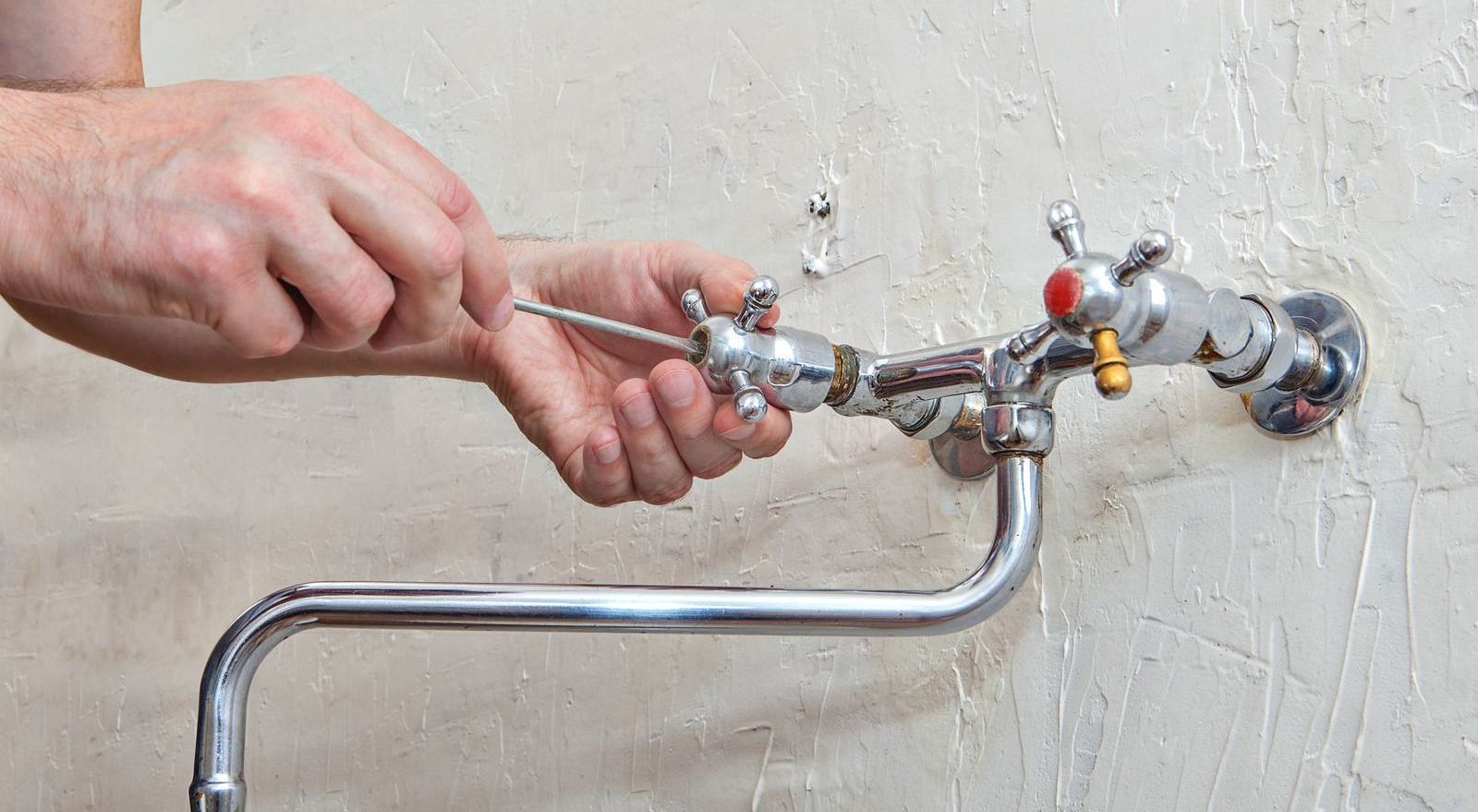
Maintaining the plumbing system in a mobile home is often overlooked, yet it is a critical component of overall home health.
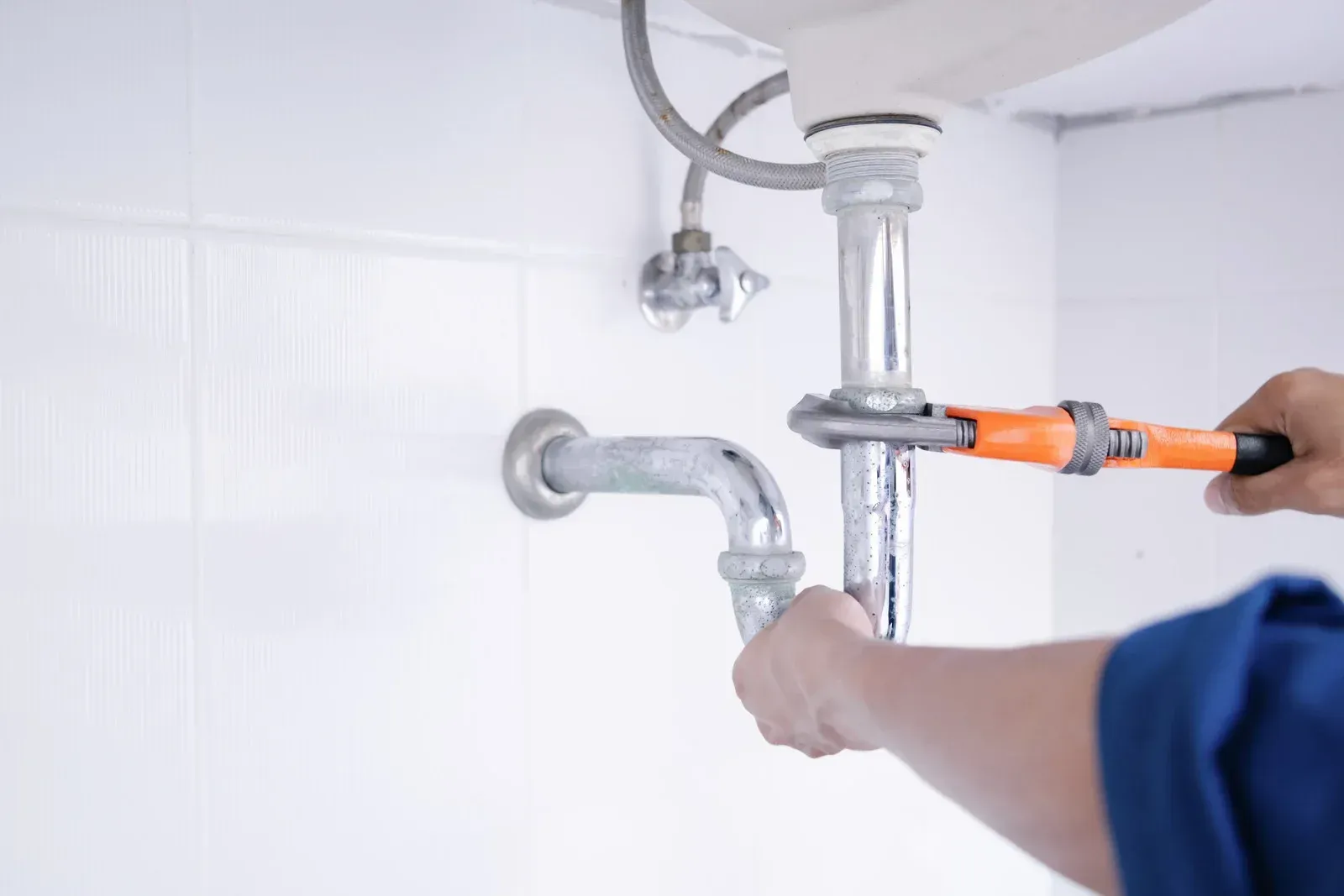
Mobile homes offer a flexible and cost-effective living solution for many Americans. Despite their convenience, one area that often poses challenges is drainage. Understanding how mobile home drainage systems work is essential for homeowners and maintenance professionals alike. These systems are designed to efficiently remove wastewater from sinks, showers, and toilets while maintaining proper ventilation to prevent foul odors. However, due to their unique construction and limited space compared to traditional homes, mobile home drainage systems are prone to blockages and malfunctions. Even small issues, like a partially clogged pipe or sagging connection, can escalate quickly if ignored, leading to costly repairs and potential health hazards. Being proactive and informed about how these systems operate is critical to maintaining a safe and functional home. Clogs in mobile home drains can cause a host of problems, from slow-draining sinks and standing water to more serious issues like sewer backups and structural damage. Homeowners frequently encounter these issues because mobile home plumbing systems often rely on narrower pipes, flexible connections, and less robust venting than conventional homes. Environmental factors, such as shifting ground under the home or seasonal temperature changes, can also contribute to drainage problems. By exploring the components, design, and common pitfalls of these systems, this guide provides insights into why clogs occur and how to prevent them. A deeper understanding not only helps in troubleshooting problems efficiently but also extends the lifespan of the mobile home’s plumbing system, saving both time and money in the long run while preserving home value and comfort.
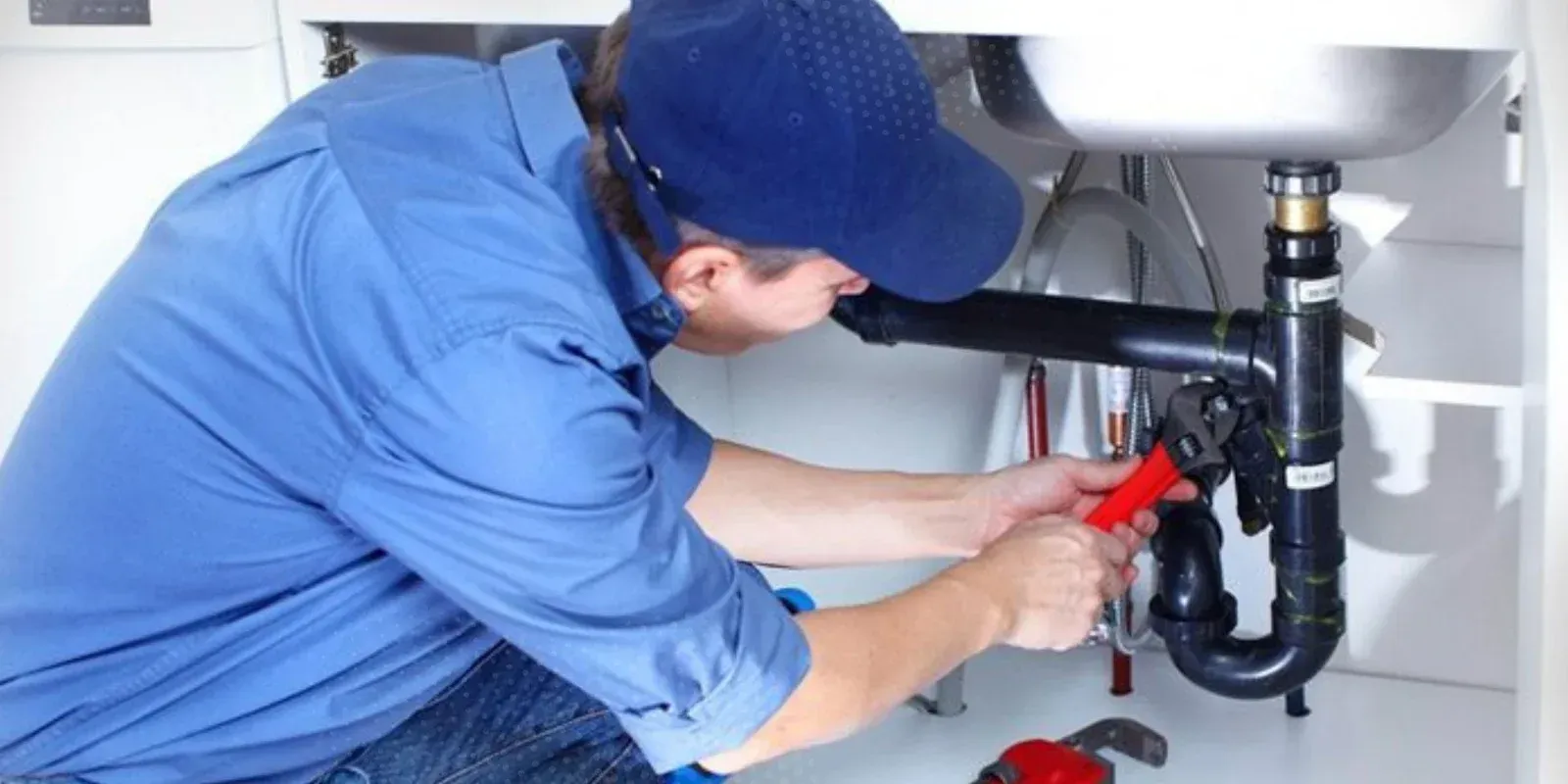
Mobile homes offer an affordable and flexible living option, but their plumbing systems often present unique challenges compared to traditional homes.