Mobile Home Septic vs. City Sewer: What Homeowners Need to Know
Choosing between a septic system and a city sewer connection is one of the most important decisions mobile homeowners face. While both systems serve the same purpose—managing wastewater safely and efficiently—they differ significantly in cost, maintenance, reliability, and long-term value. For mobile homes in particular, where location, infrastructure, and land ownership vary widely, understanding these differences becomes even more critical. A well-informed decision can prevent costly repairs, environmental hazards, and unexpected disruptions in daily living. It also helps homeowners plan for long-term sustainability and avoid unforeseen system failures. Making the right choice early can significantly reduce stress and financial burden over time.
As housing trends continue to evolve and more homeowners explore mobile living for affordability and flexibility, wastewater management remains a central concern. Rural and semi-urban areas often rely on septic systems, while urban settings typically offer municipal sewer connections. Each option presents distinct advantages and challenges that directly impact property value, upkeep responsibilities, and overall convenience. By exploring how septic systems compare to city sewer systems, homeowners can make smarter, more confident choices aligned with their lifestyle, budget, and long-term goals. This knowledge also empowers homeowners to maintain their systems effectively and ensure long-term performance.
Understanding the Basics of Septic and Sewer Systems
How Septic Systems Work
A septic system is an independent wastewater treatment solution typically installed on private property. Wastewater from the home flows into a septic tank, where solids settle at the bottom, oils rise to the top, and the liquid effluent moves into a drain field. The soil naturally filters and treats the wastewater before it re-enters the environment, ensuring gradual and effective natural purification over time.
This system is self-contained, meaning homeowners are responsible for maintenance, inspections, and repairs. Septic systems are common in rural areas where municipal sewer infrastructure is unavailable, making them a practical and necessary solution for remote residential properties.
How City Sewer Systems Operate
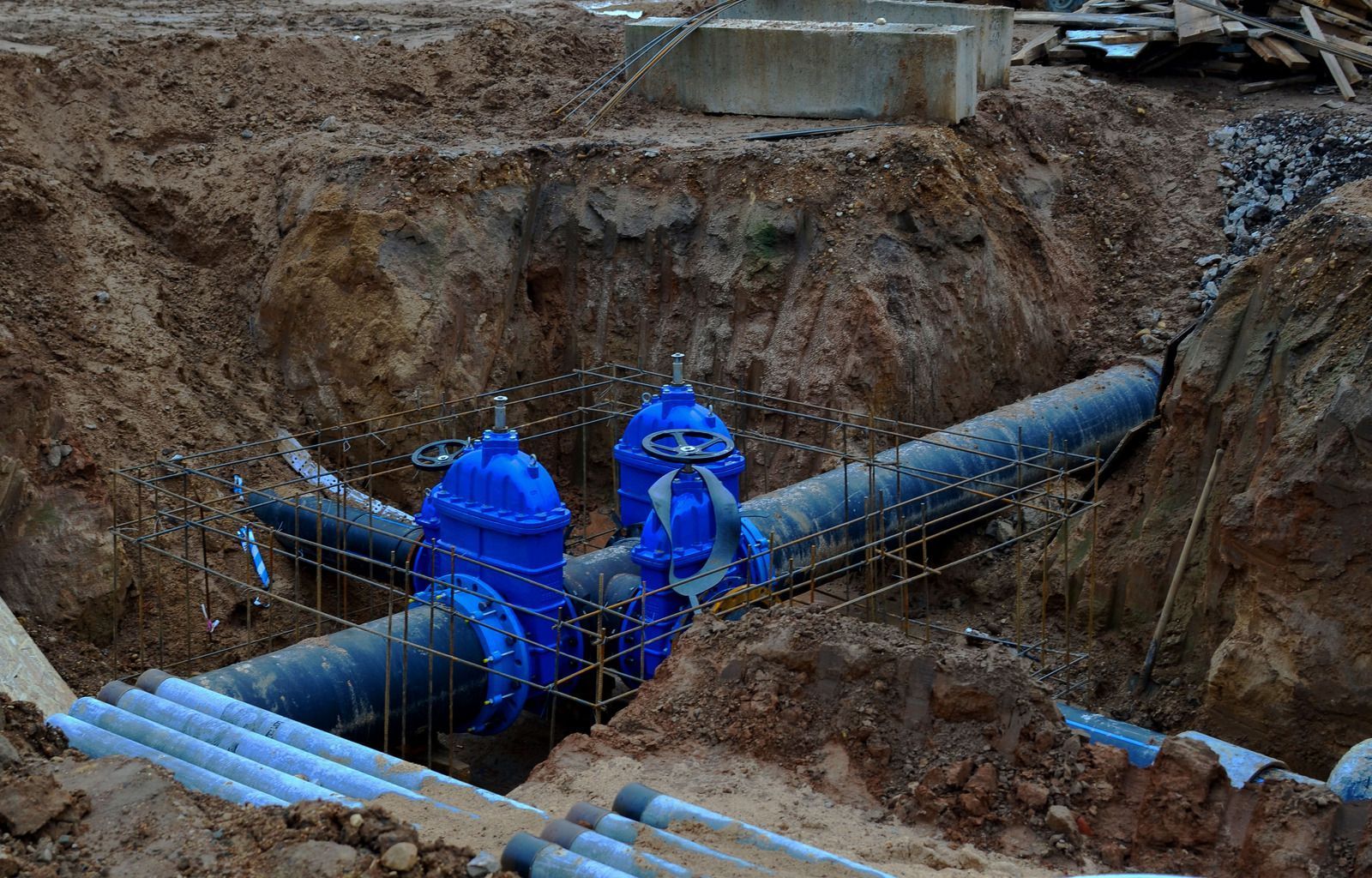
City sewer systems are centralized networks managed by local municipalities. Wastewater travels through underground pipes from homes to treatment plants, where it undergoes extensive processing before being released safely, meeting strict environmental and public health standards set by authorities.
For homeowners, this setup eliminates the need for on-site wastewater treatment. Maintenance of the system beyond the property line is handled by the municipality, offering a more hands-off experience and reducing individual responsibility for long-term system upkeep.
Cost Considerations and Financial Impact
Initial Installation and Connection Costs
Septic systems typically require a higher upfront investment. Costs include tank installation, excavation, soil testing, and drain field setup. For mobile homes placed on undeveloped land, these expenses can be significant but are often unavoidable due to the absence of nearby public sewer infrastructure.
City sewer connections, on the other hand, may involve connection fees and permits. If infrastructure is already available, costs are generally lower than installing a septic system. However, extending sewer lines to remote properties can become expensive and may require additional approvals or construction work.
Long-Term Expenses and Maintenance
Septic systems require periodic pumping, inspections, and occasional repairs. Over time, these costs can add up, especially if the system is not properly maintained or experiences unexpected mechanical or structural issues.
City sewer systems usually involve monthly utility fees. While these fees are predictable, they are ongoing and may increase over time based on municipal rates, infrastructure upgrades, or changes in local regulations.
Property Value Implications
Homes connected to city sewer systems often have higher resale value due to perceived convenience and lower maintenance responsibility, which appeals to buyers seeking minimal long-term system involvement. However, a well-maintained septic system can also add value, especially in areas where such systems are standard and widely accepted.
Maintenance Responsibilities and Best Practices
Septic System Maintenance
Owning a septic system requires proactive care. Regular pumping—typically every three to five years—is essential to prevent overflow and system failure. Homeowners must also be mindful of what goes down the drain, avoiding harsh chemicals, grease, and non-biodegradable materials that can disrupt system balance.
Routine inspections help identify potential issues early, such as leaks, clogs, or drain field saturation. Landscaping also plays a role; heavy vehicles and deep-rooted plants should be kept away from the drain field to prevent long-term structural damage and costly repairs.
Sewer System Responsibilities
With a city sewer connection, maintenance responsibilities are minimal. Homeowners are primarily responsible for the plumbing within the property. However, blockages or damage in the lateral line (the pipe connecting the home to the main sewer line) may still fall under homeowner responsibility and require timely attention.
Despite the reduced maintenance burden, it is still important to avoid flushing inappropriate materials, as blockages can lead to backups, unpleasant odors, and costly repairs that disrupt normal household operations.
Environmental Impact and Sustainability
Septic Systems and Environmental Considerations
Septic systems can be environmentally friendly when properly maintained. They treat wastewater naturally and return it to the soil, supporting groundwater recharge and maintaining ecological balance in surrounding areas. However, poorly maintained systems can leak contaminants into the environment, posing risks to nearby water sources and public health.
Soil type, system design, and regular upkeep all influence environmental performance. In areas with high water tables or poor soil conditions, septic systems may require additional safeguards to prevent contamination and ensure proper wastewater filtration.
City Sewer Systems and Ecological Impact
Municipal sewer systems are designed to handle large volumes of wastewater with advanced treatment processes. This reduces the risk of localized contamination and ensures consistent water quality standards across communities and urban developments.
However, centralized systems require significant infrastructure and energy, contributing to a larger environmental footprint over time. Additionally, system failures or overflows can impact entire communities rather than individual properties, creating widespread environmental concerns.
Suitability for Mobile Homes
Location and Infrastructure Factors
Mobile homes are often located in areas where city sewer connections may not be readily available. In such cases, septic systems become the default option. Land size, soil conditions, and local regulations all play a role in determining feasibility and long-term system efficiency.
In mobile home parks, shared sewer systems are more common, offering the benefits of municipal-style management without individual system maintenance, making them a convenient and cost-effective solution for residents.
Flexibility and Mobility Considerations
One of the defining features of mobile homes is flexibility. Septic systems, however, are permanent installations tied to a specific location. Relocating a mobile home with a septic system can be complex, expensive, and time-consuming due to infrastructure limitations.
City sewer connections provide more flexibility in urban settings, as infrastructure is already established. This can make relocation or resale easier compared to properties with septic systems, especially in competitive housing markets.
Regulatory and Compliance Requirements
Both septic and sewer systems are subject to local regulations. Septic systems require permits, inspections, and adherence to environmental guidelines to ensure safe operation and compliance with health standards. City sewer connections must comply with municipal codes and connection standards set by governing authorities.
Understanding these requirements is essential to avoid legal issues and ensure safe operation, while also protecting property value and maintaining long-term system reliability.
Common Challenges and Practical Solutions
Septic System Issues
Common problems include tank overflow, drain field failure, and clogging. These issues often result from neglect, improper usage, or aging systems that have not been regularly inspected or maintained. Preventive maintenance is the most effective way to avoid costly repairs and system breakdowns.
Homeowners should also invest in professional inspections and use water efficiently to reduce system strain. Installing water-saving fixtures and spreading out water usage can significantly extend the life of a septic system while improving overall efficiency.
Sewer System Challenges
While generally reliable, city sewer systems are not immune to problems. Blockages, root intrusion, and infrastructure aging can lead to backups and service disruptions that require immediate attention and professional intervention. Heavy rainfall can also overwhelm systems, causing overflows and localized flooding in vulnerable areas.
Regular plumbing maintenance and installing backflow prevention devices can help mitigate these risks effectively. Awareness of what enters the system is equally important to maintain proper function and prevent avoidable damage.
Dependable Professionals Ensuring Long Term Drain System Performance
Selecting between a septic system and a city sewer connection involves careful consideration of cost, maintenance, environmental impact, and lifestyle needs. Septic systems offer independence and are often necessary in rural settings, but they require consistent upkeep and responsibility. City sewer systems provide convenience and centralized management, though they come with ongoing fees and less homeowner control. Understanding these differences allows mobile homeowners to make informed decisions that align with their property, budget, and long-term plans. Each option has its advantages and challenges, and the right choice depends on individual circumstances and priorities.
When it comes to reliable wastewater solutions, experience and expertise matter. Rescue Sewer And Drain, serving Shakopee and Fridley, Minnesota, brings 10
years of hands-on experience in addressing both septic and sewer system needs. We focus on delivering dependable service, accurate diagnostics, and long-term solutions tailored to each property. Whether managing routine maintenance, troubleshooting complex issues, or guiding homeowners through system decisions, our approach is rooted in professionalism and trust. With a strong understanding of local infrastructure and industry best practices, we help ensure systems operate efficiently, safely, and in compliance with regulations.